
Everything You Need to Know About Wedding Rentals.
So Rentals...
One of those parts of wedding planning that seem simple at first, but once you start booking things, it becomes alot confusing.
.
.
.
So to make it easier to understand ...i'm breaking it down into 3 main Categories:
Basic rentals
Tabletop rentals and
Décor rentals.
In this blog post ...i'll talk on just the Basic and Table top rentals.
Decor rentals is a beast of its own, so i'll probably create a seperate blog post for it.
(which will be linked below ...hopefully by the time you're reading this).
Alright let's get into it...
Basic Rentals
When people talk about “Wedding rentals” this is usually what they mean.
These are the big, functional items that make the wedding possible in the first place.
So your tables, chairs, linens ...and sometimes tents and dance floors.
.
.
.
Now before you book anything ...you need to check in with your venue and see if they provide tables and chairs.
Some venues do ...but they're usually very simple and plain.
But unless you have a specific look in mind, using what the venue offers will save you a lot of money and just ...stress.
If you don't? ...then you obviously have to outsource.
1. Tables
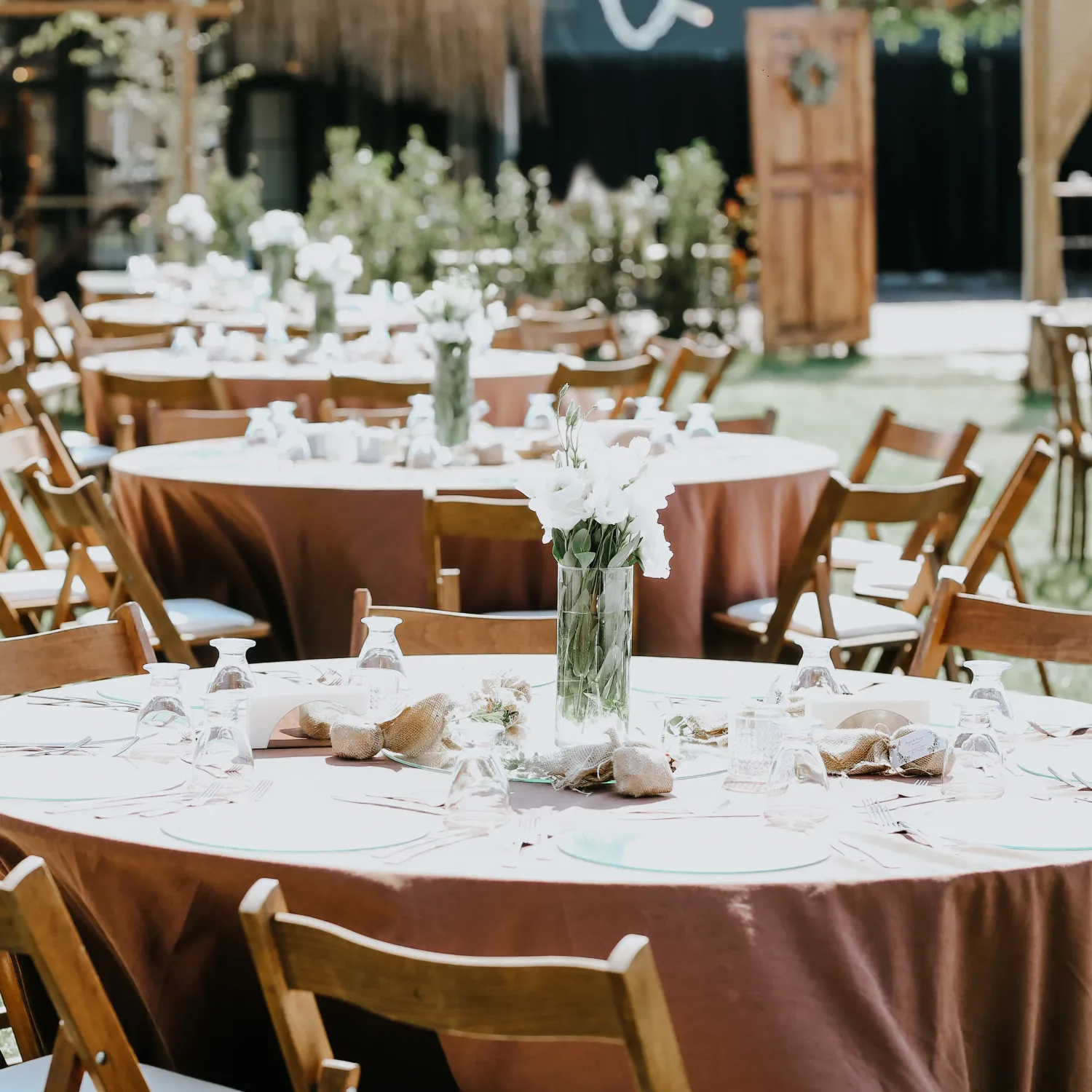
Most rental tables come in either round or rectangular
Round tables are usually measured in inches and the most common sizes you’ll see are 60 inches and 72 inches.
A 60-inch round table can comfortably seat about 8 people while a 72-inch round, about 10 people.
Sometimes the rental company might say 60-inch can fit 10 people while 72 inch ...12 people, but unless you have really lanky guests or you’re really trying to squeeze everyone in, it’s usually not the most comfortable setup.
People need a little elbow room.
.
.
.
Now for rectangular tables, they're usually measured in feet.
The most common are 8-foot tables and it can seat around 8 guests comfortably ...or 9 if you must.
---
When it comes to choosing between round and rectangular tables, it’s honestly more about preference.
But if you're working with high guest count in a tighter venue, round tables are often easier to work with.
They preserve space better and leave more room for servers and guests to move around comfortably.
2. Chairs
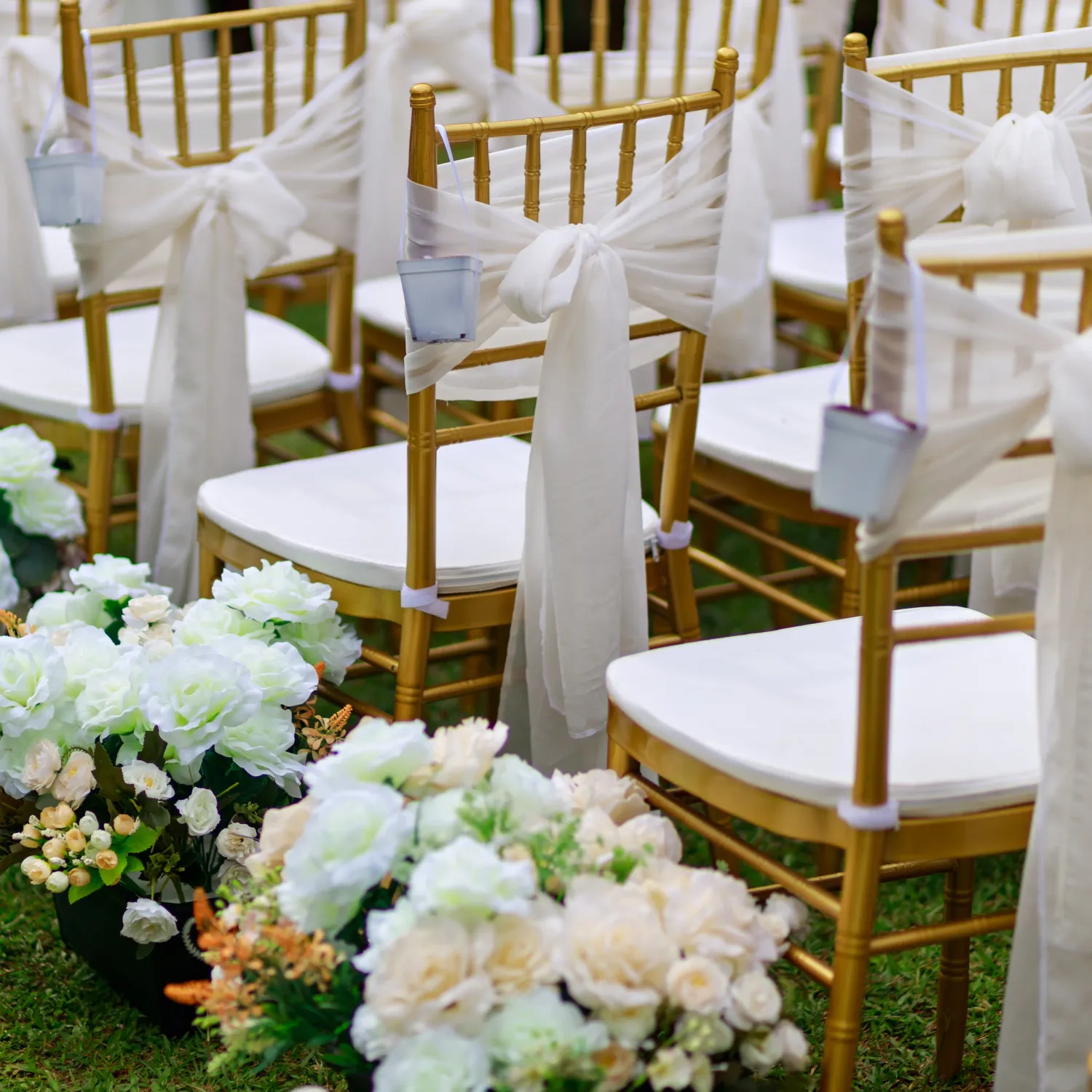
There are many chair styles available, from very basic plastic or folding chairs to more styled options.
One of the first thing to think about is that you’ll need chairs for both your ceremony and your reception.
Sometimes they’re the same chairs being flipped or moved around ...if the reception venue is close by or sometimes they’re completely different chairs.
Either way ...it’s something you want to plan for ahead of time so you’re not scrambling later.
.
.
.
Finally for chairs, rent extra (like 10-15 or so).
Cos you never know ...a few extra guests might show up last minute, or some chairs might arrive wonky or just not usable.
3. Linens
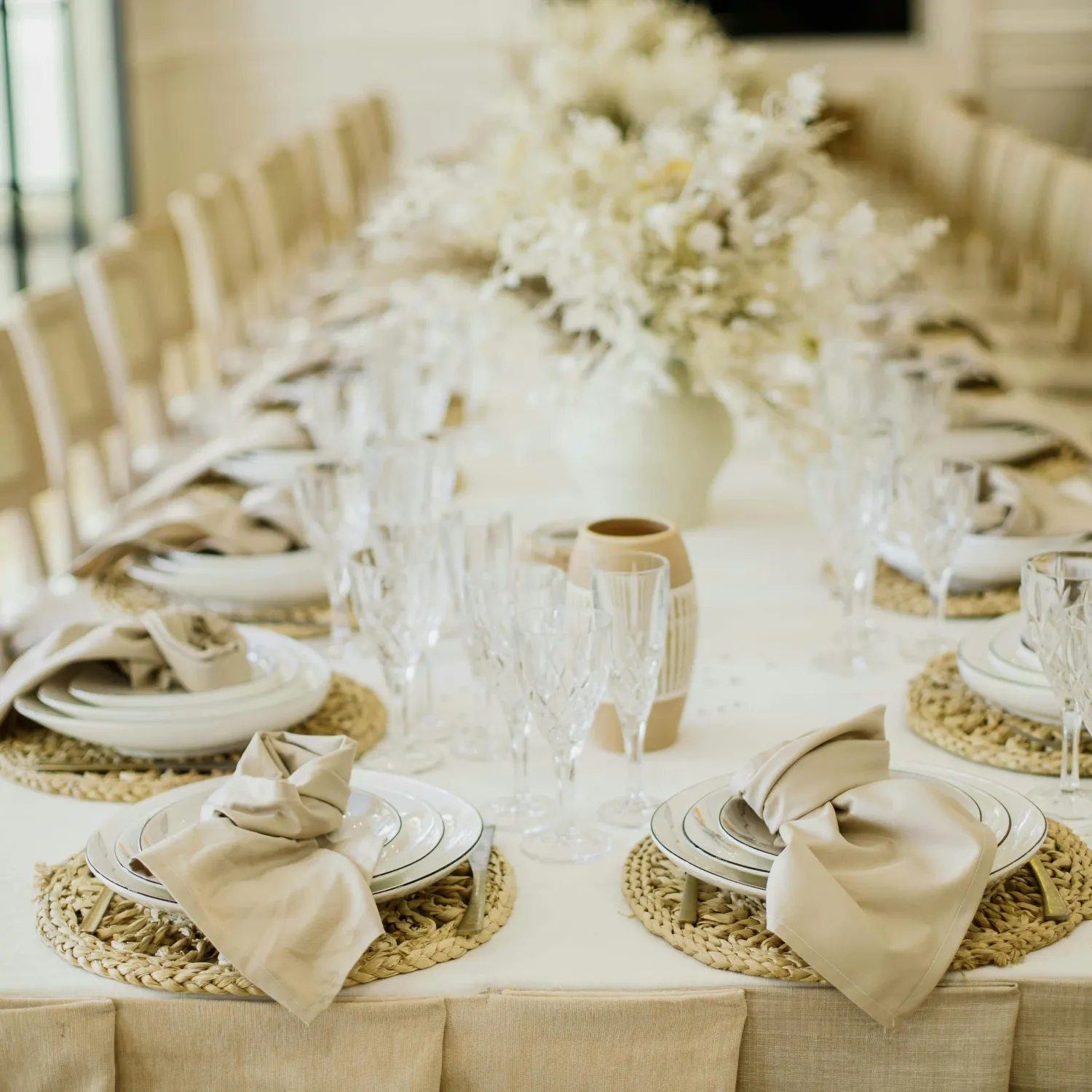
When it comes to linens, one question that comes up a lot is whether you need floor-length ones, or if the shorter ones are fine.
Now both options are okay. It just depends on what matters more to you visually.
I personally lean toward floor-length linens whenever possible ...because most rental tables are not cute.
Like at all.
And floor-length linens just help to hide all of that and instantly make the space feel more polished.
.
.
.
That said, if that stuff doesn’t bother you or your tables are actually decent, then short (lap-length) linens are totally fine.
Also, if you’re going with floor-length linens and you’re trying to figure out the right size.
Just take the width & length of your table and add about 60 inches.
You’re adding that extra length so the linen can drop evenly on all sides and actually hit the floor.
Since most tables are around 30 inches tall, this usually works out well.
As for colors, fabrics, textures ...that part is purely just about your style and overall look
4. Dance Floors (when they’re needed)
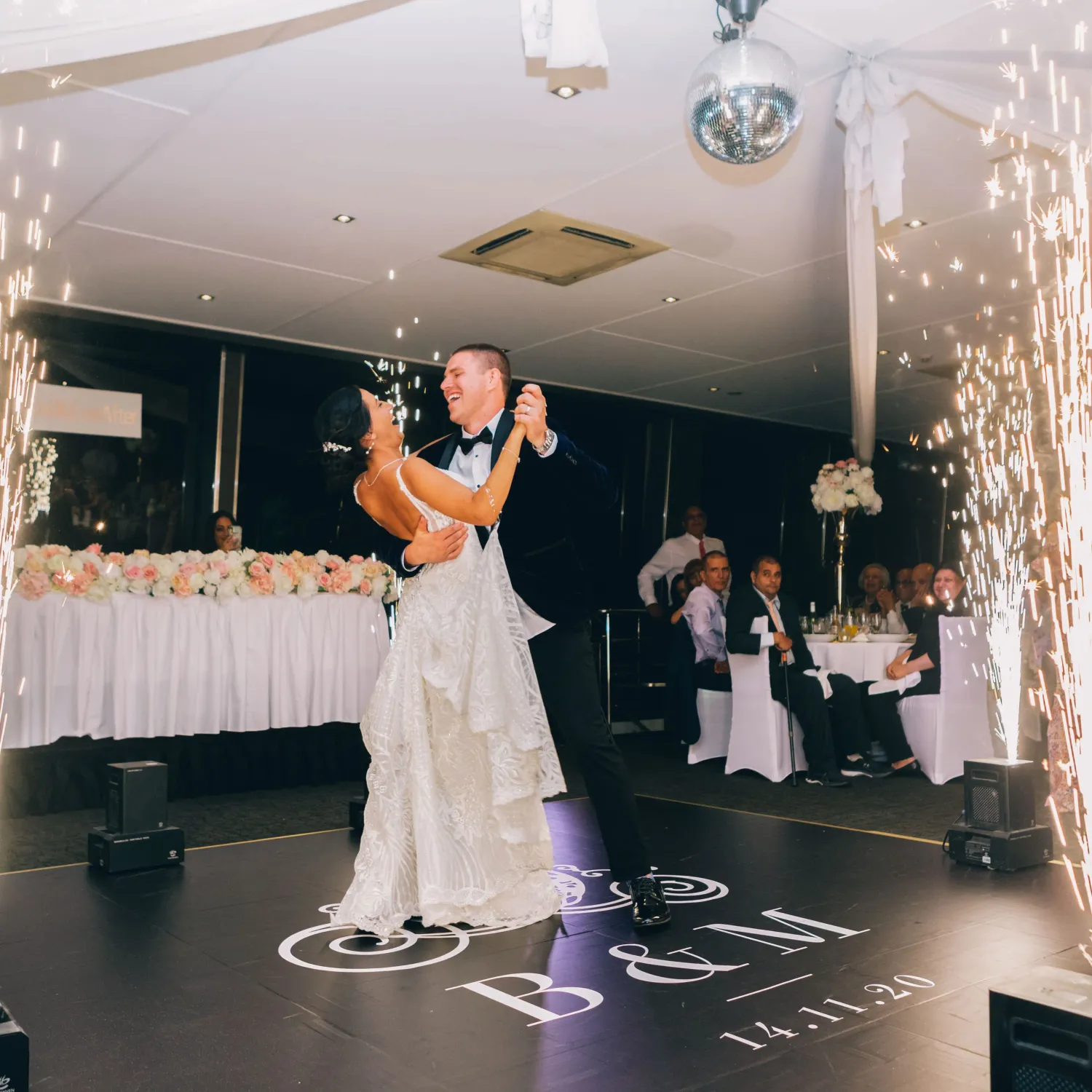
Dance floors are not always required, but they become necessary in certain situations.
If your venue already has a built-in dance floor, then you don't need to rent one.
However, if you’re outdoors or using a space without a designated dance area, renting a dance floor is usually necessary.
.
.
.
Now about the sizing of the dance floors.
Obviously this is something you need to discuss with the rental company
But a very loose industry rule that helps you estimate ia that you can a dncefloor that can fit about 1/3 of your guests.
Cos only about 1/3 of your guest count is actually on the dance floor at the same time.
Not everyone dances at once ...some people are at the bar, some are sitting, some are just watching and vibing.
So if you’re inviting around 90 guests, you don’t need a dance floor that fits all 90 people.
You’re really thinking closer to something that comfortably (keyword is comfortably) fits about 30 people dancing without feeling cramped.
.
.
.
But again discuss it with your rental company ...they're are the experts.
5. Tents (when they’re needed)
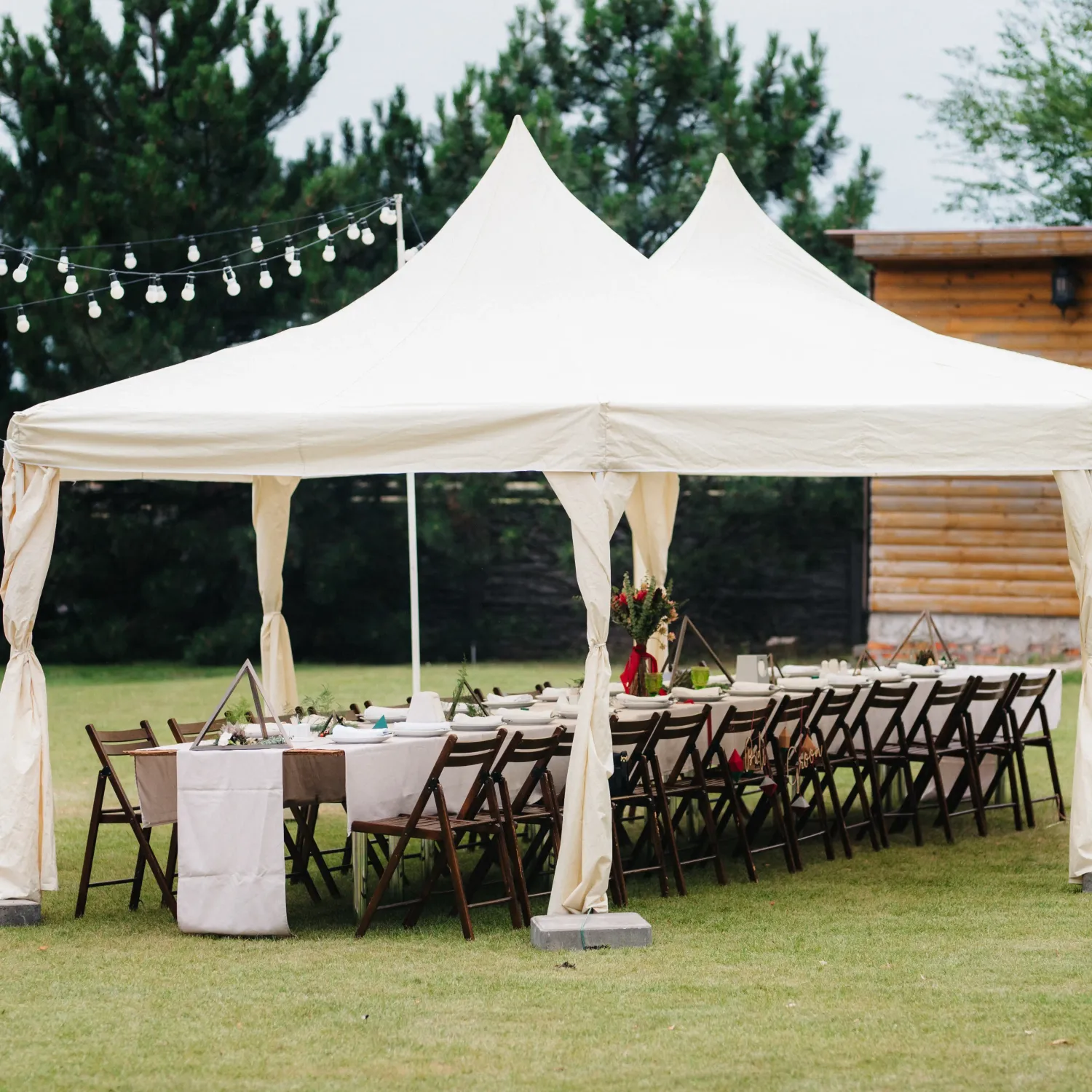
They are typically only needed for outdoor weddings or partially outdoor setups.
Something you need to keep in mind when renting tents ...is that they usually require large deposits, often around 50-60%.
It’s just how the business works.
Once a tent is reserved for your date, it’s basically taken off the market.
So if now, your weather clears up and everyone suddenly decides they don’t need their tent anymore and wants to return it last minute, that rental company can’t magically rebook it.
And if deposits were small or refundable across the board, the business just wouldn’t survive.
So before you hire one ...you have to be certain that you need it.
.
.
.
It’s also important to understand that a tent is never just a tent.
Flooring and other additional structural elements may also be required depending on the weather and ground type.
Tabletop Rentals.
They are all the items that sit on the table.
And this is where things can start to feel overwhelming ...cos there are a lot of small pieces that need to work together.
But before you start renting anything, the first question to ask is whether you’re working with a full-service caterer.
If you are, and you don’t have a very specific look in mind, your caterer can usually provide most, if not all, of your tabletop needs.
Their plates, glassware, and utensils are typically very simple and neutral.
Nothing fancy.
For some weddings, that’s more than enough, and it keeps things simple and not complicated.
.
.
.
But if you’re renting tabletop items separately ...maybe you're not hiring a full service caterer or you want a specific look.
Then this is where you need to be more intentional.
1. Plates
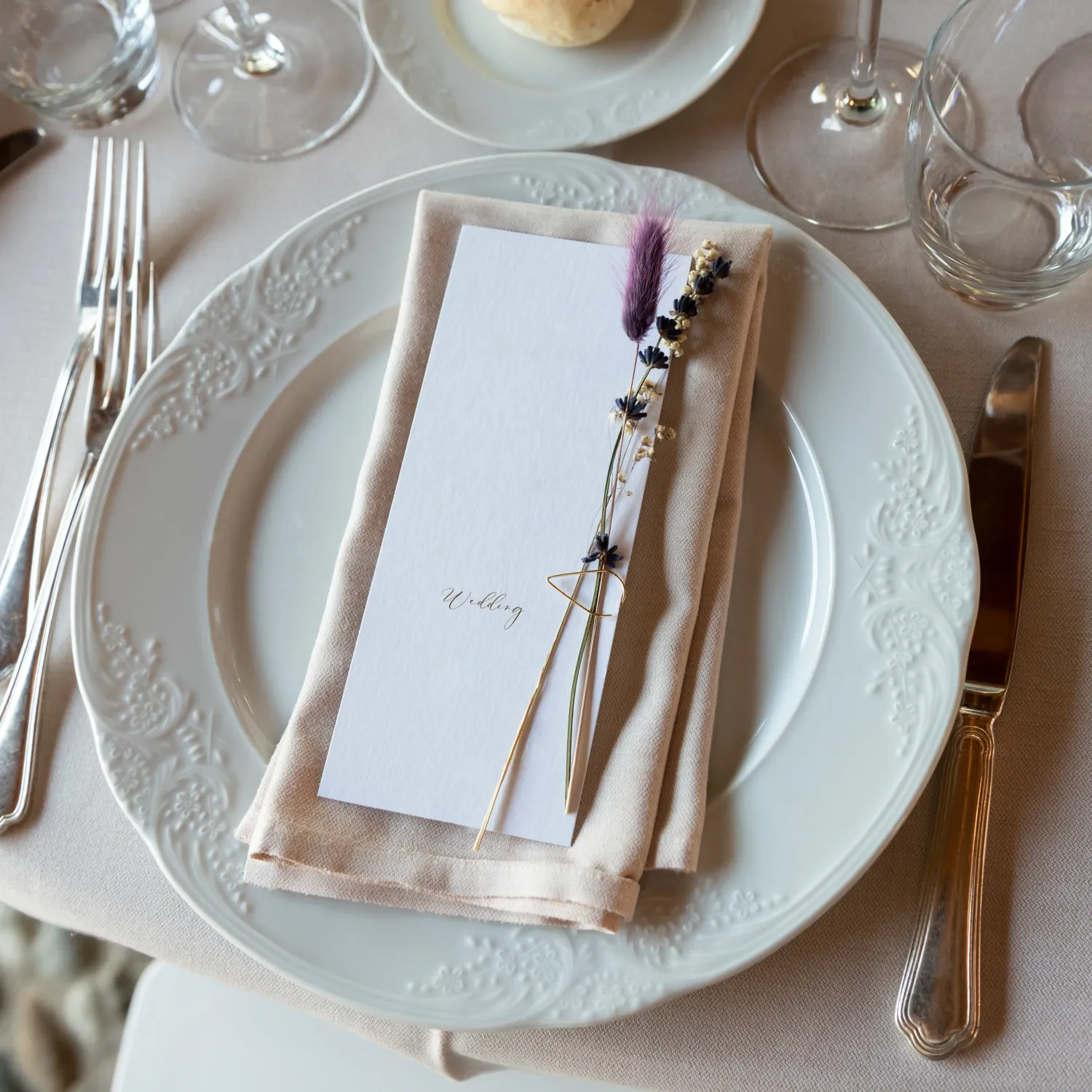
Plates are pretty straightforward.
You’ll want to rent enough plates to cover your guest count, plus vendor meals, and then add extra (10-15 extra).
This is just incase any arrive chipped, cracked, or get dropped.
.
.
.
If you’re serving multiple courses, like a plated dinner followed by cake or dessert, remember that you’ll need different plates for each course.
Dinner plates and dessert plates are not the same thing.
2. Glassware

Glassware is whole beast on it's own ...simply because there are so many options.
But what you’ll need to think about two main areas:
What’s on the table
and What’s at the bar.
At the table, most couples keep it simple.
A water glass, obviously.
Then depending on what you’re serving, you may also add a wine glass or a champagne flute.
You don’t need every type of glass unless you want that look.
.
.
.
While at the bar, glassware depends on your drink menu and who is providing the bar service.
Sometimes the bar service includes their own glassware ...sometimes they don’t.
That's why you need to confirm this early.
.
.
.
It’s also important to talk to your caterer or bar service about quantities.
One guest may use more than one glass throughout the night, especially for water and cocktails.
And this affects how many of each glass you’ll need, and it’s something the professionals can help you calculate.
3. Flatware (utensils)
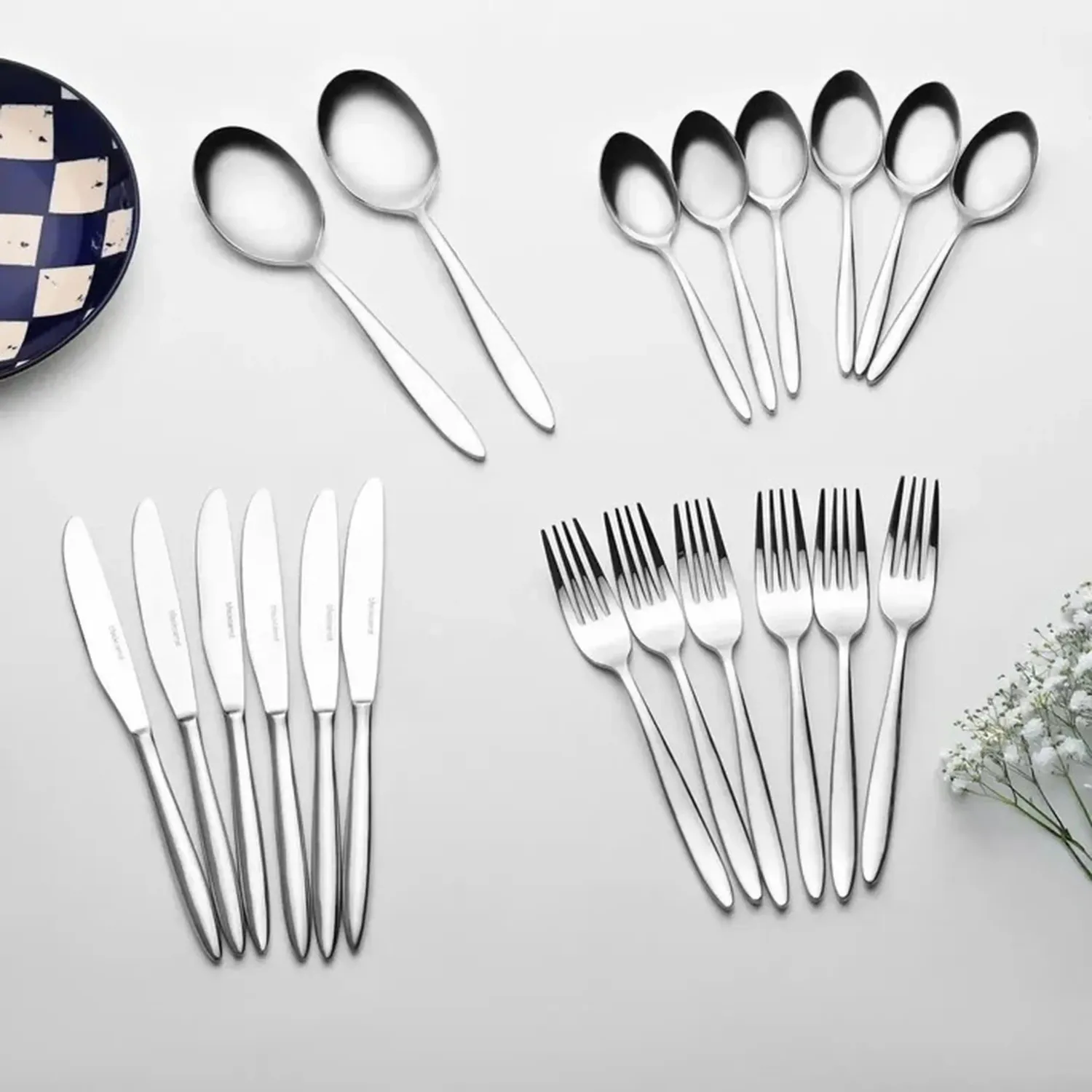
This should be ordered based on the meal you’re serving.
So if your menu doesn’t require a spoon, you don’t need to rent spoons.
There’s no reason to rent items that won’t be used.
For most dinners, you’ll need:
A dinner fork
A dinner knife
A spoon, if the menu requires it.
Also ...if you’re serving steak, you’ll need steak knives.
.
.
.
Again as i said with plates ..always order extra flatware.
Those 10–15 extra flatwares can help cover losses, drops, or unexpected needs.
4. Cake and serving pieces
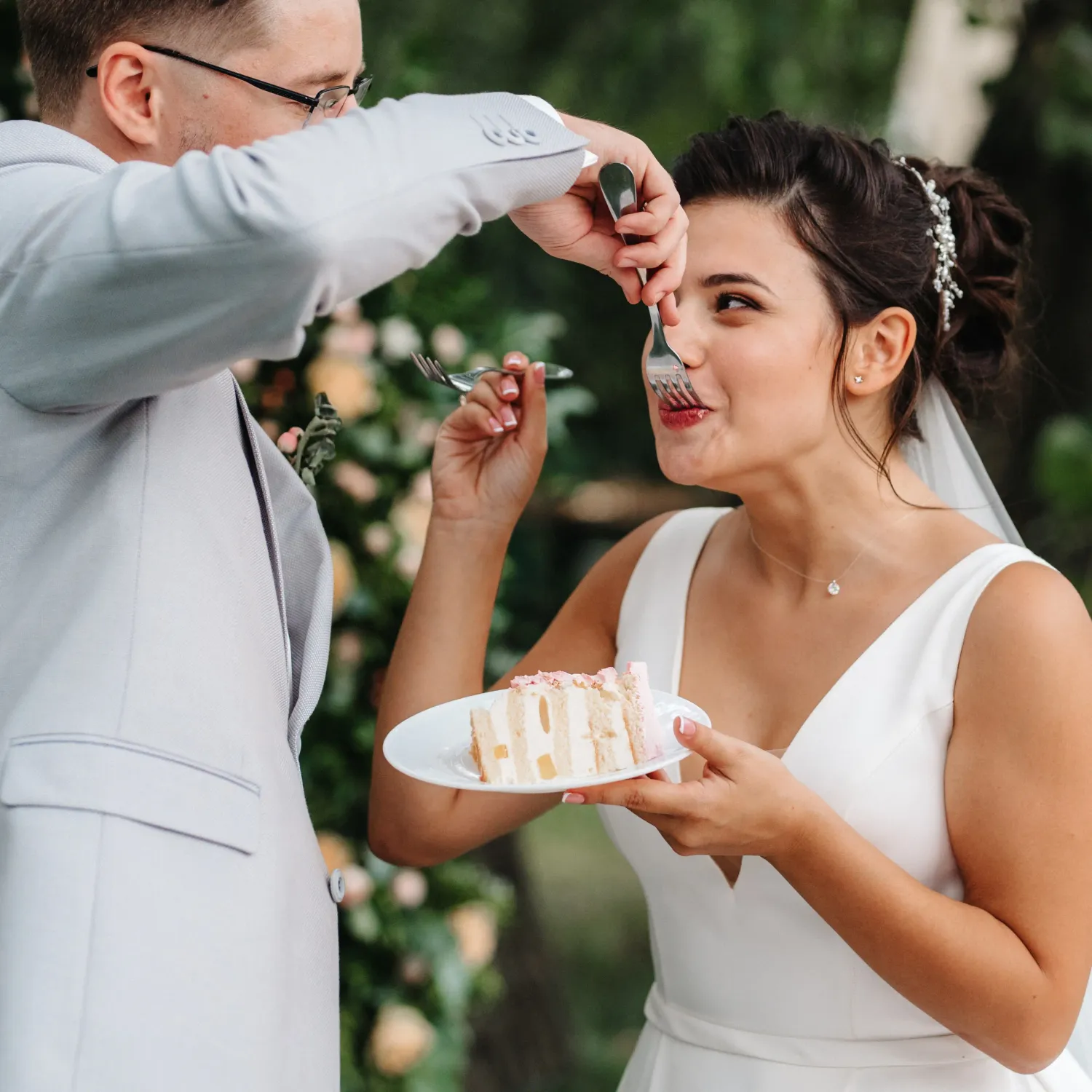
Already discussed on this tho.
.
.
So if you’re cutting a cake, you’ll need a cake knife and server.
If you’re serving desserts that need utensils or plates, those need to be rented as well unless your caterer is providing them.
Don’t assume these items are included - always ask.
5. Napkins and small tabletop details.
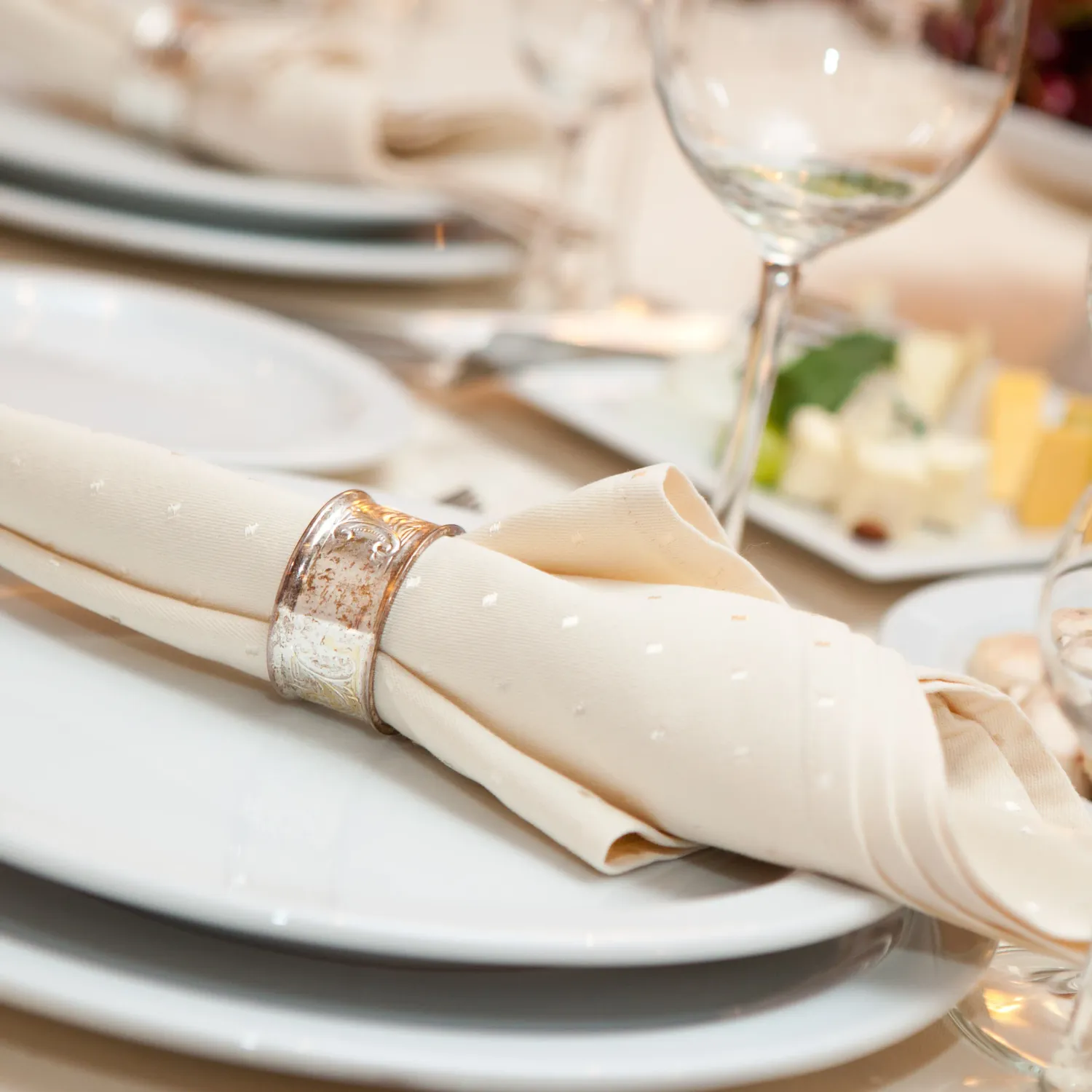
These are sometimes provided by the caterer.
Just know that if they are? ...they will be very simple.
So if you want that aesthetic coordinated look ...then you'll have to rent.
.
.
.
Other small tabletop rentals can include items like chargers, table numbers, or simple table stands.
These aren’t required.
But if you’re using them, they should be planned at the same time as your other tabletop items so nothing is forgotten.
To Wrap it up...
Few tips i want to end with is...
1.) If you can, try to keep most of your rentals with one company.
It will save your sanity.
Cos they're fewer deliveries, fewer pickup times to track ...fewer people calling you on the morning of your wedding.
It also usually works out cheaper because a lot of rental companies have minimum order amounts anyway, so splitting things up will end up costing you more for no real reason.
2.) When you’re booking, make sure you're clear on the delivery and pickup.
What time they’re coming, what time they’re leaving, and whether pickup is happening the same day.
Same-day pickup almost always costs extra, and sometimes you can’t avoid it if your venue doesn’t allow overnight storage ...so it’s better to know that upfront than be surprised later.
3.) Always order High.
It’s way easier to reduce numbers later than to suddenly need more chairs or tables when everything is already booked out.
Most companies will tell you when the final cutoff is, so if guest counts drop before then...you can easily adjust.
But trying to add things last minute? ...that’s when it gets stressful.
4.) Finally ...ask questions.
All of them.
If something feels unclear, ask.
If something sounds off, ask.
You’re paying good money, and this is not the time to be shy.
So yeah
...once you get these basics right, rentals stop feeling like this huge thing hanging over your head.
.
.
.
As always if you have any questions ...just email me (plannarly@gmail.com).
And i'll see you in my next blog post.
Byeeeeeee💗.
Future Divine here...
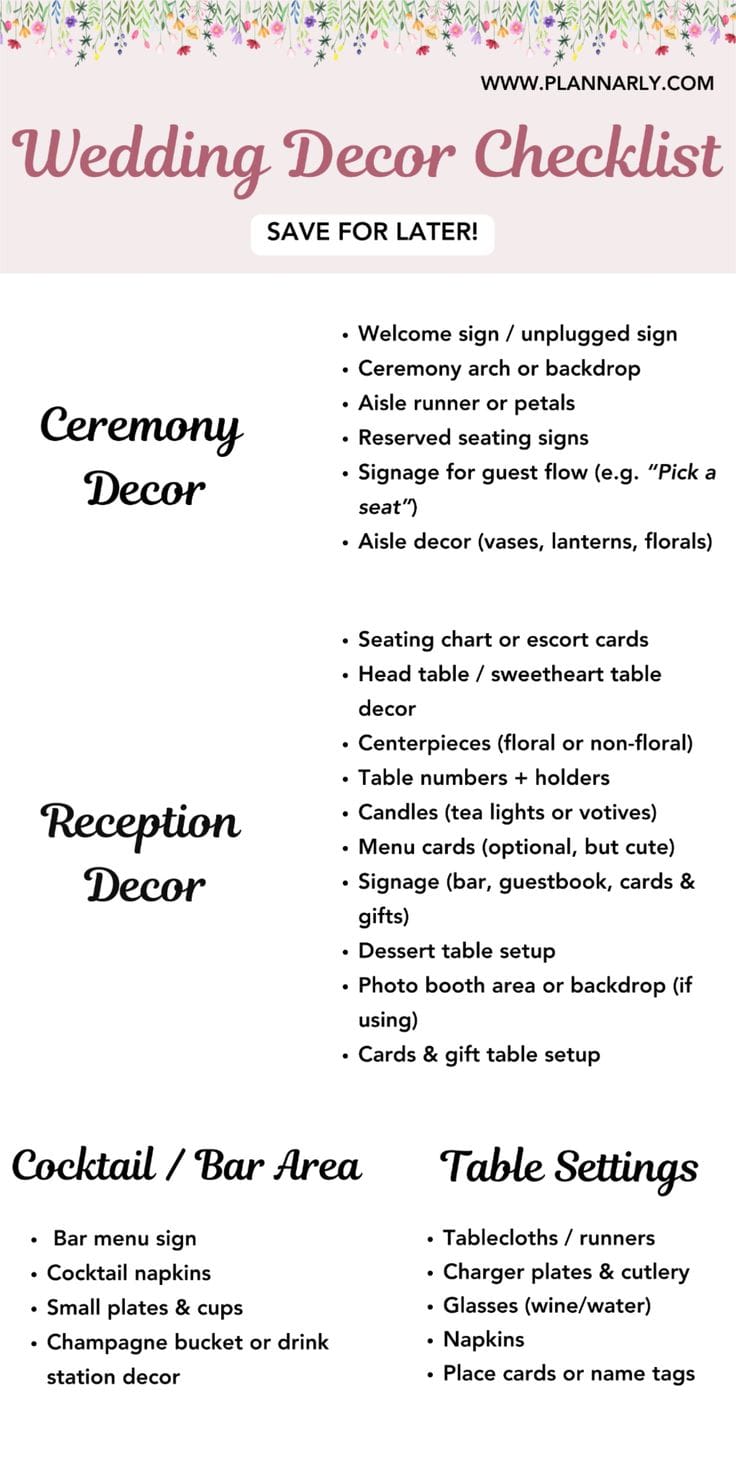
So i know i said that they'll be a separate blog post for Decor Rentals.
But i remembered that i already have a pin on pinterest on it.
So instead of writing a whole blog post, I’ll just link that pin right here so you can check it out💕.

You’ve GOT to read this next...
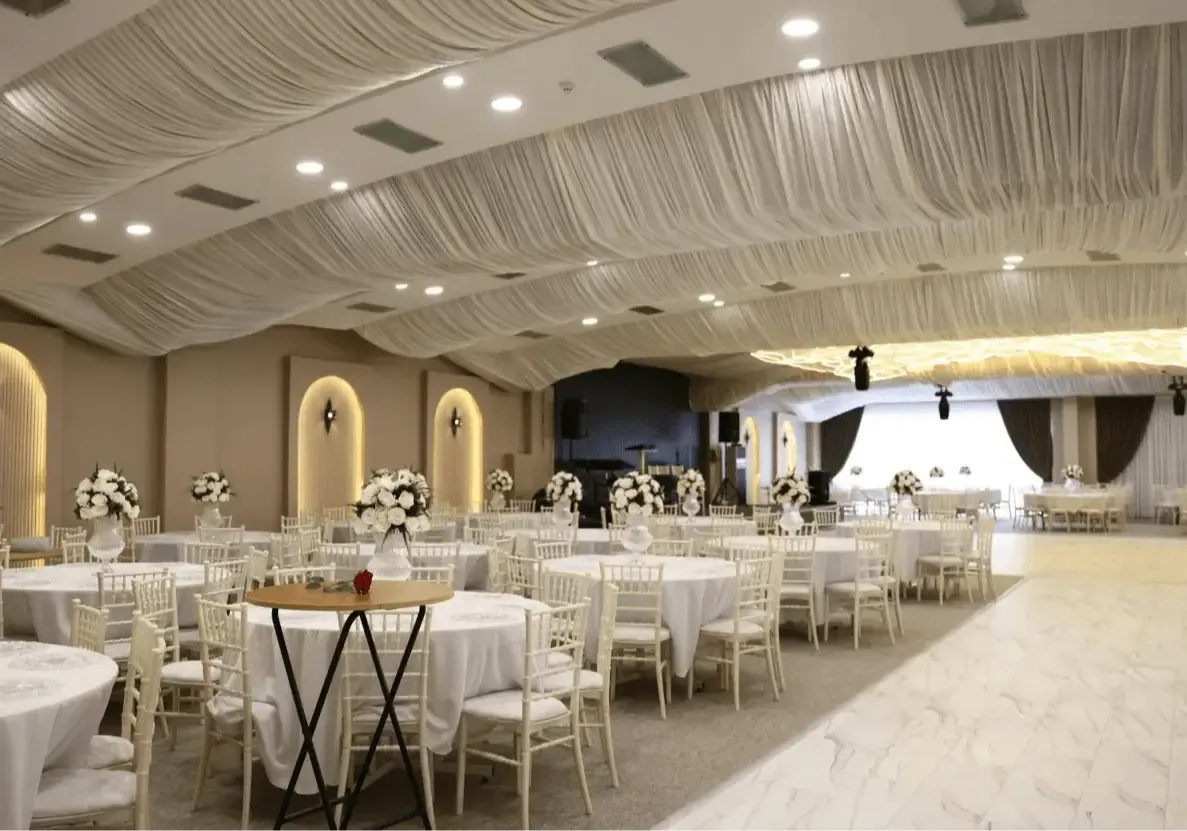
Worried about having your ceremony and reception in the same space?
Well in this blog post ...i'm breaking down 3 easy ways to make it work WITHOUT chaos.
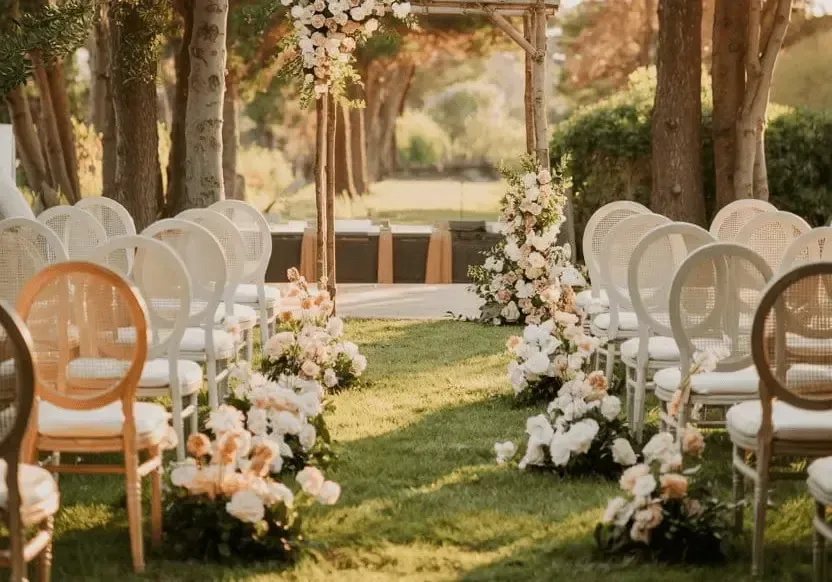
Before you book your wedding venue, there are a lot of things to ask - some obvious, some easy to miss.
This list of 50 questions will help you cover all your bases and avoid those “wish we’d asked that” moments later.
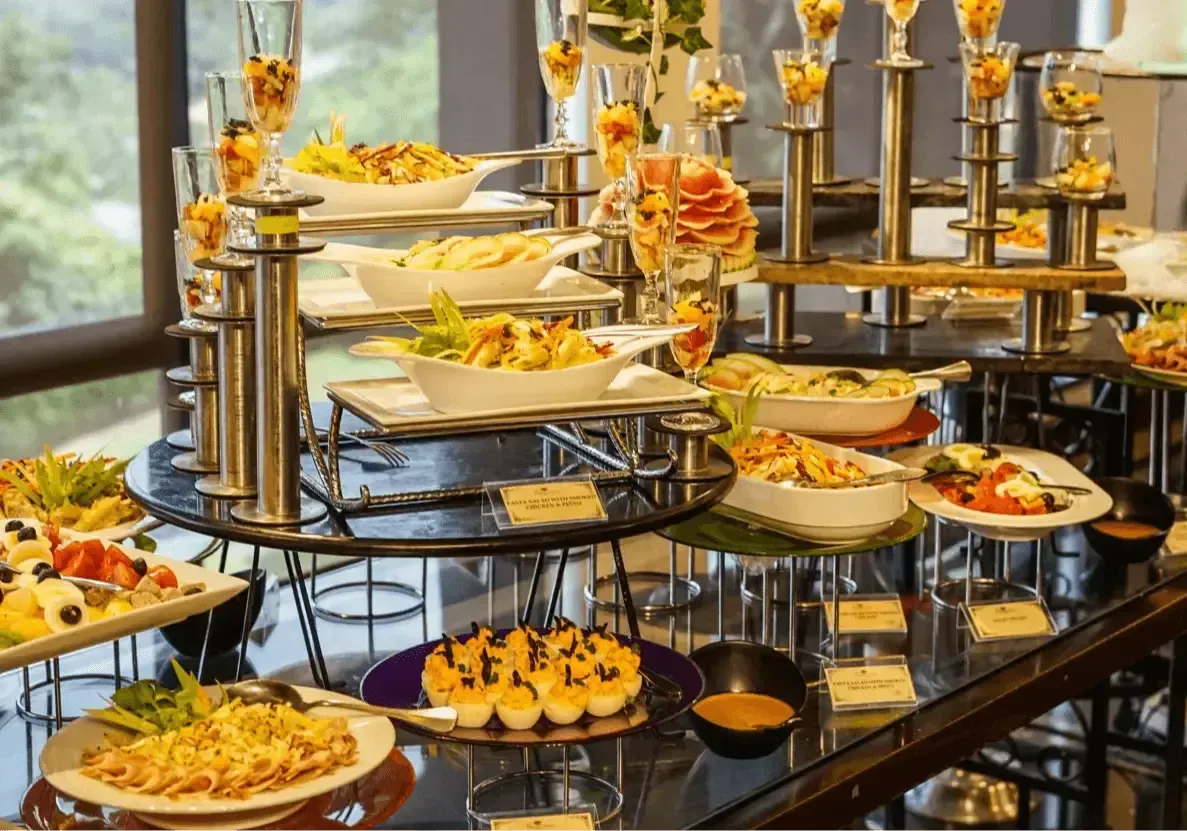
Can’t decide between a plated dinner or a buffet?
This post spills the pros, cons, and tiny details no one tells you ...so you can pick the one that actually fits your wedding vibe (and budget).
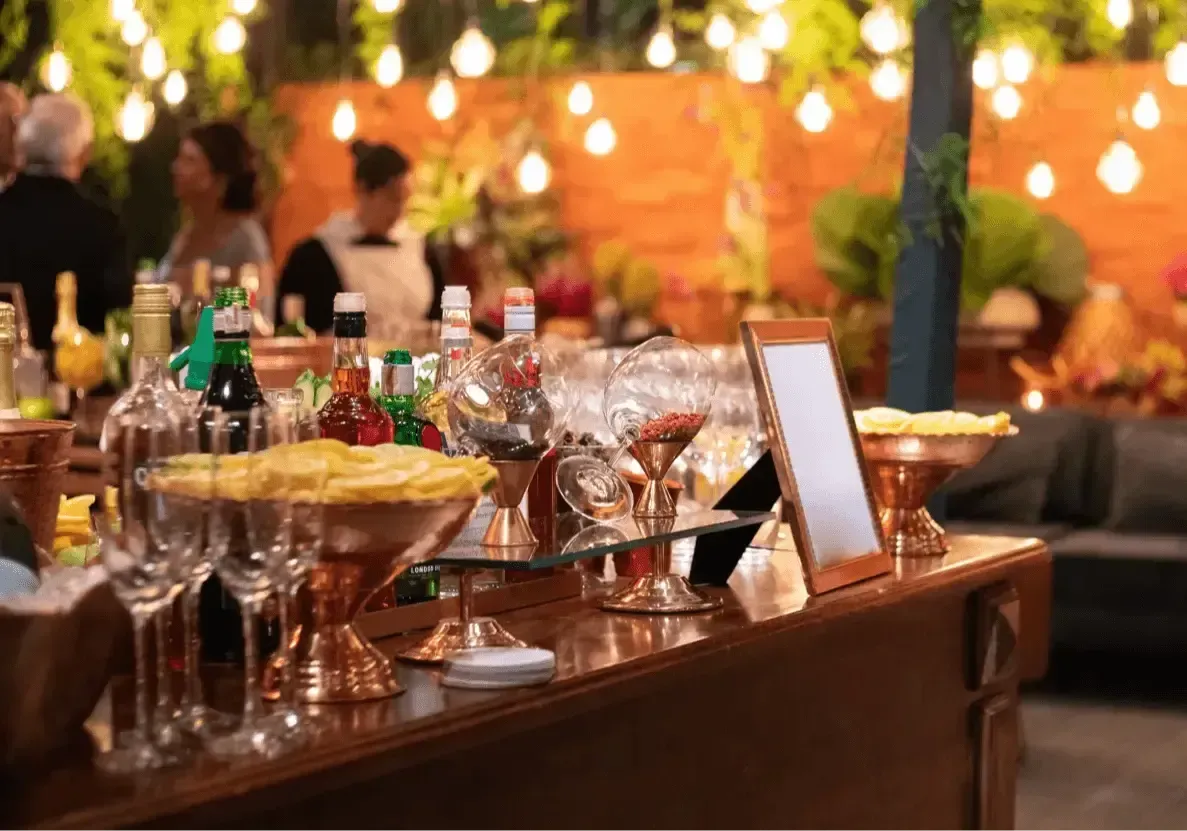
Can’t decide if your wedding bar should be open, cash, or somewhere in between?
I'm breaking down what each one really means, how much they cost ...and which option actually makes sense for you.